Dead Patches Are Gone - Fresh Sod Takes Over
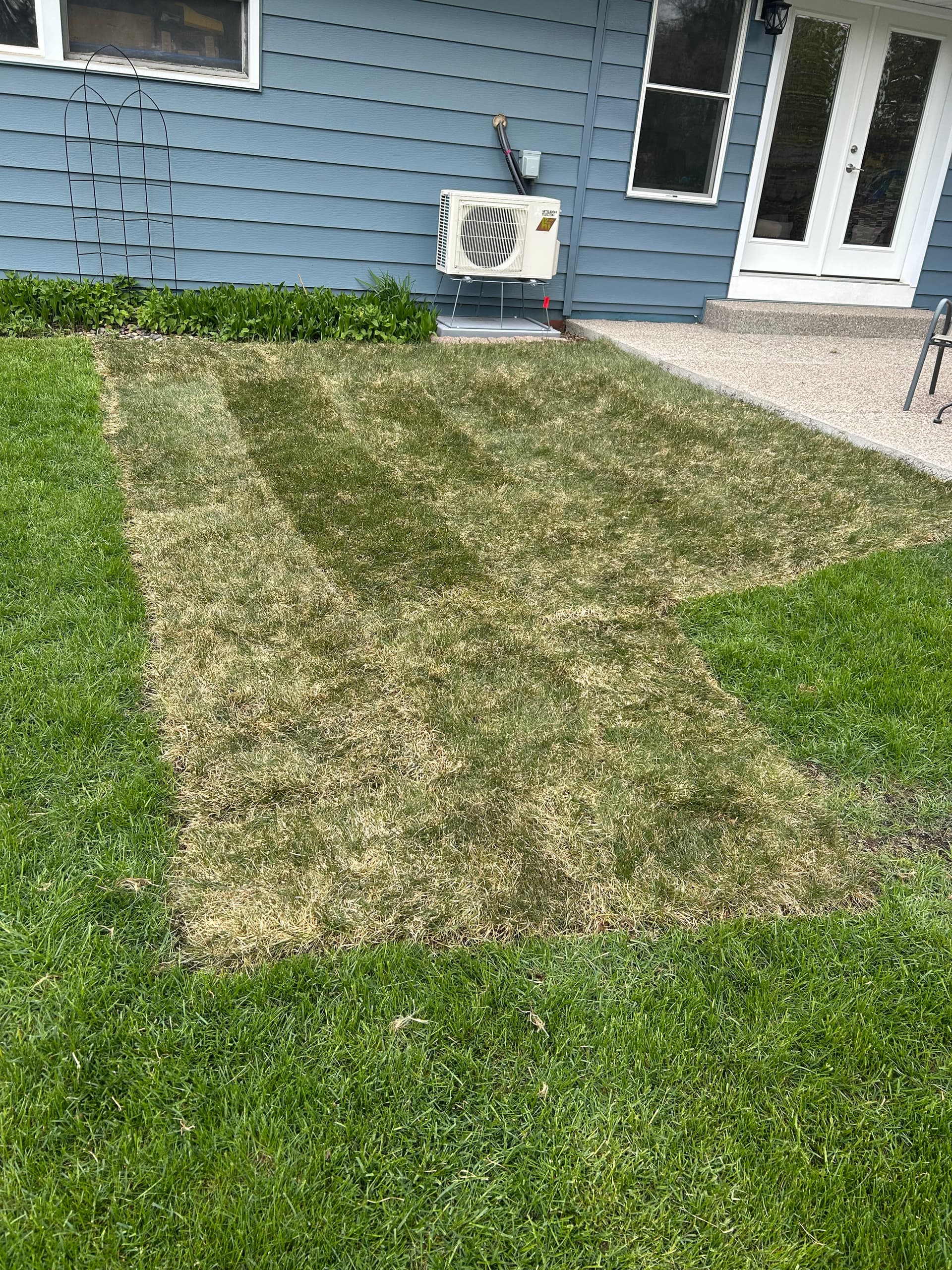
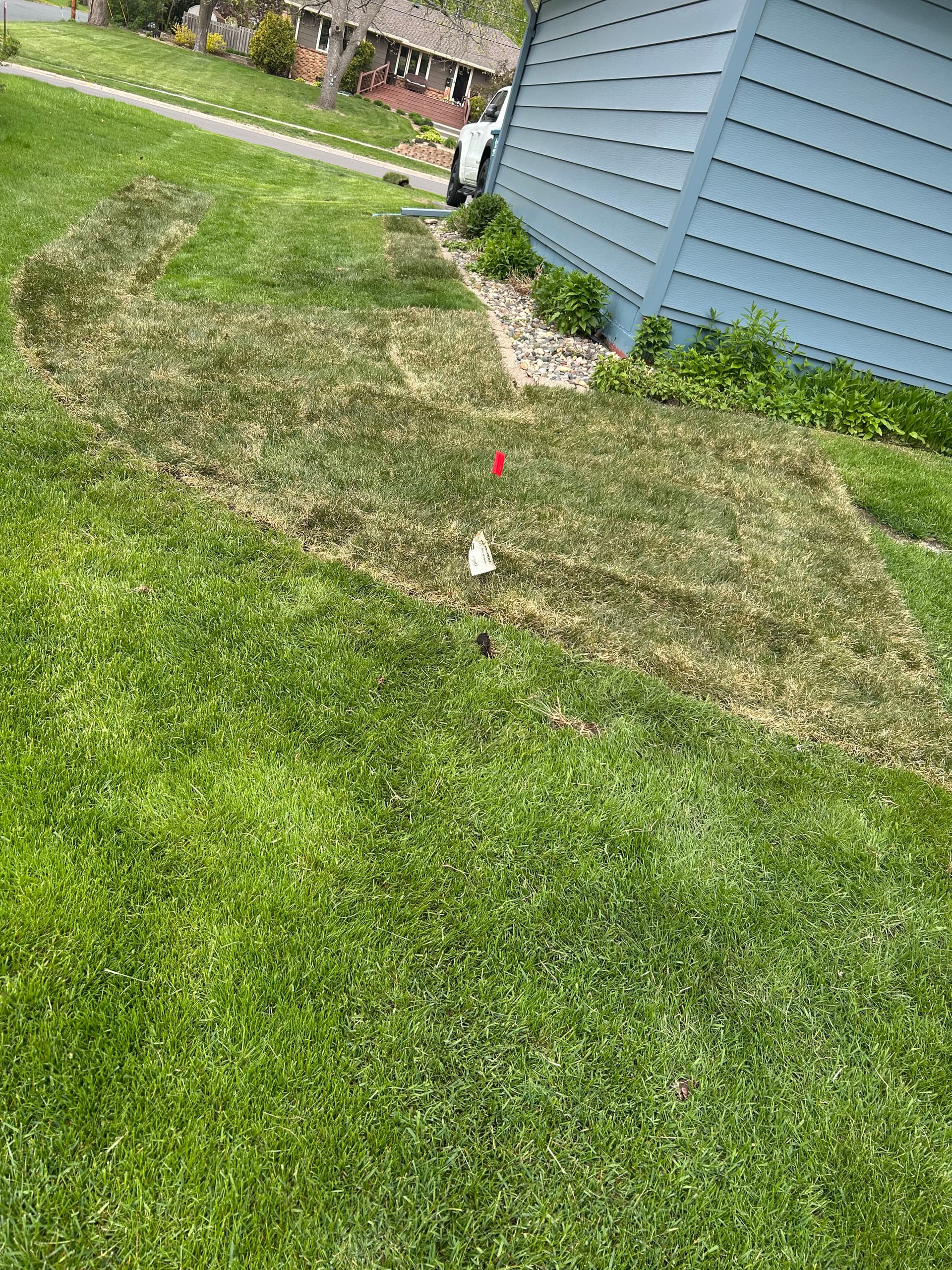
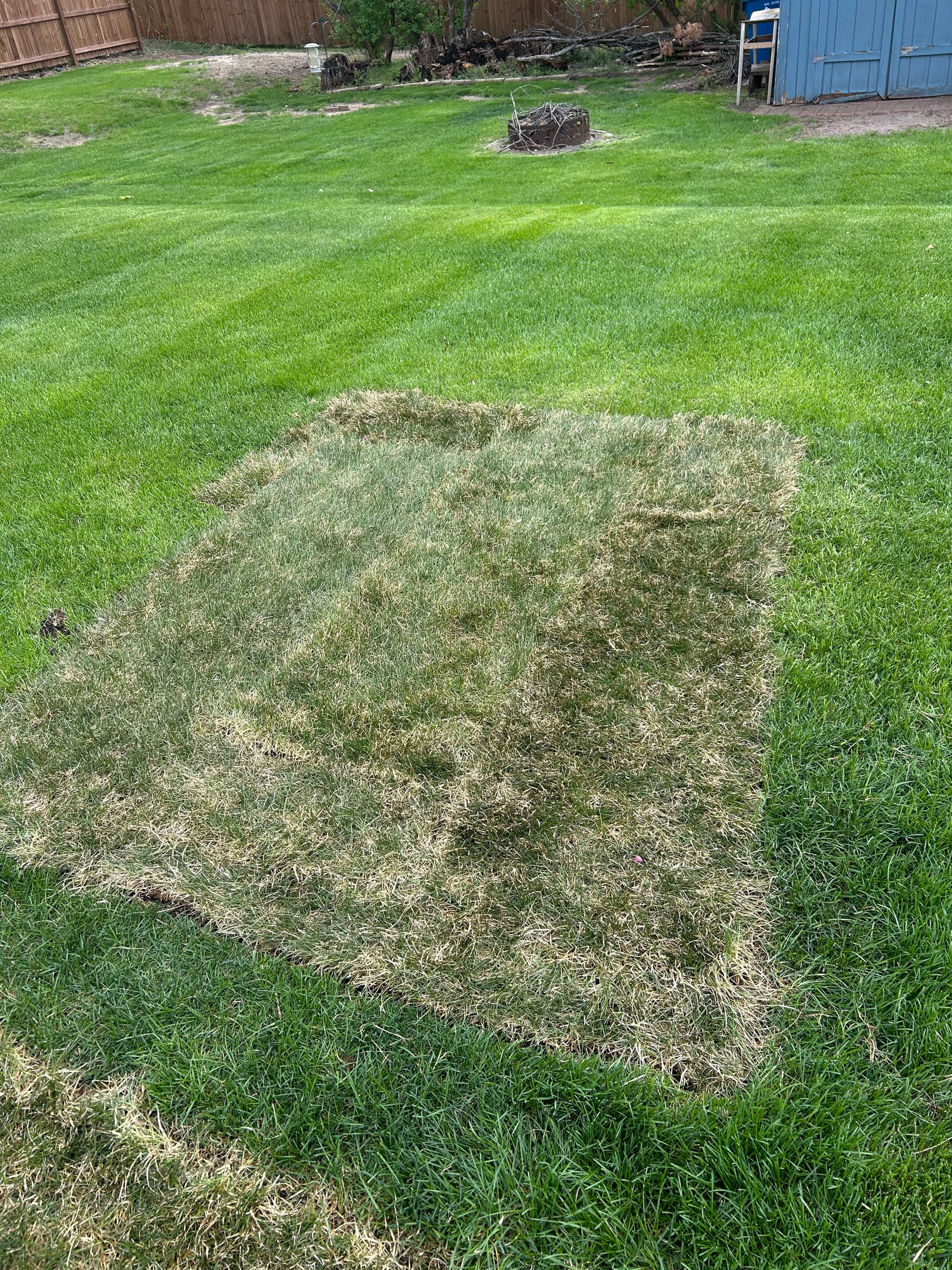
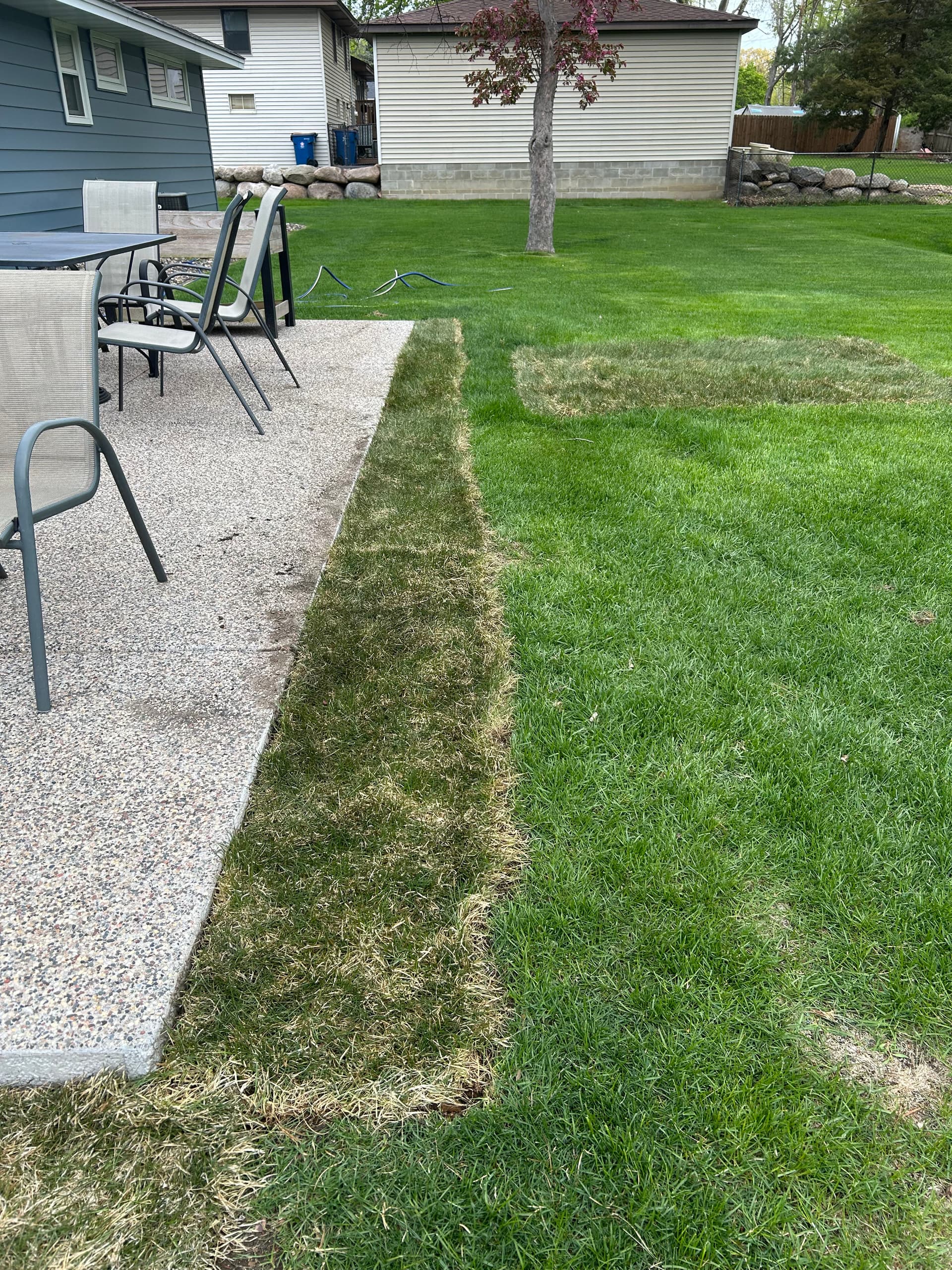
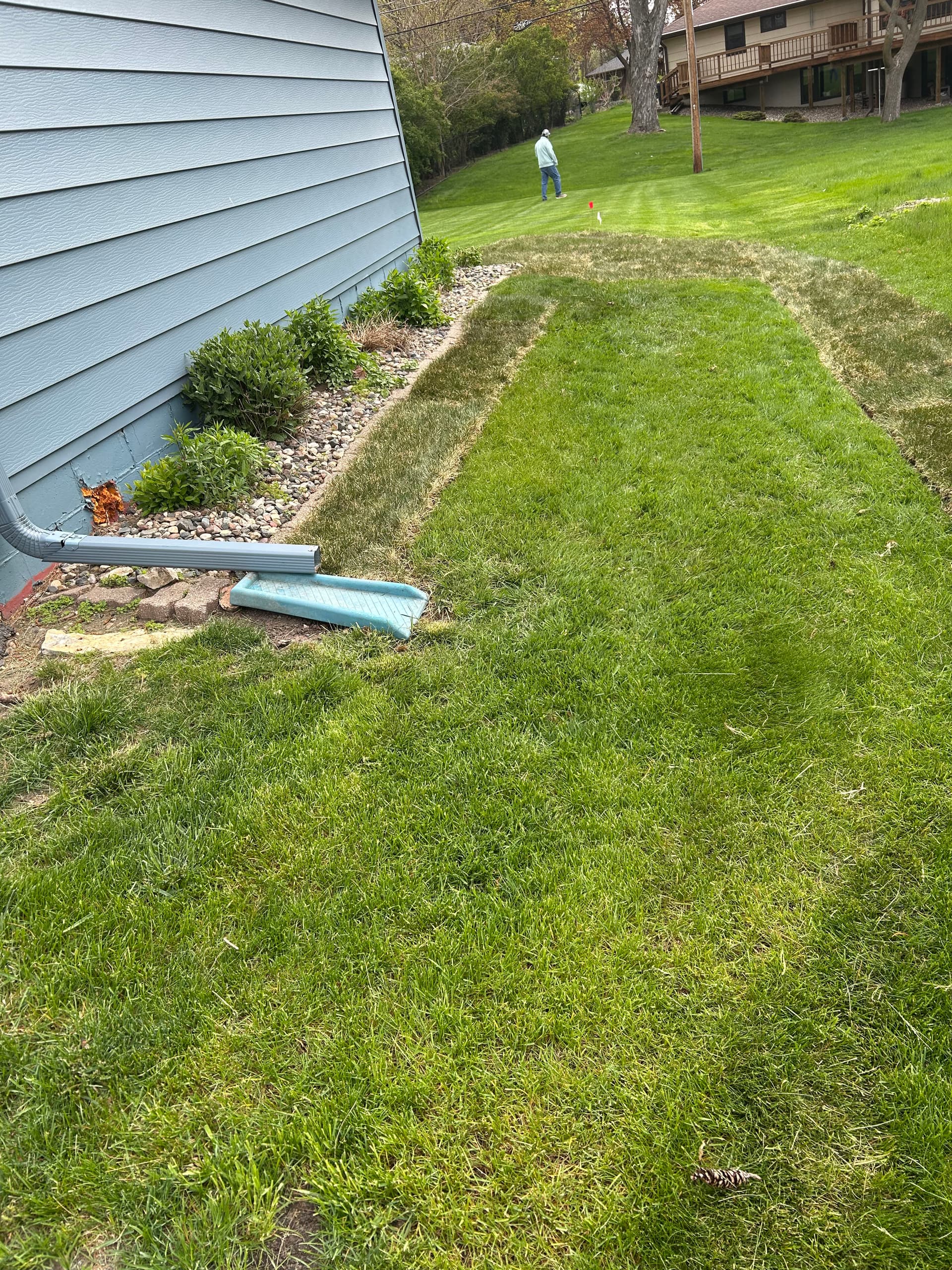
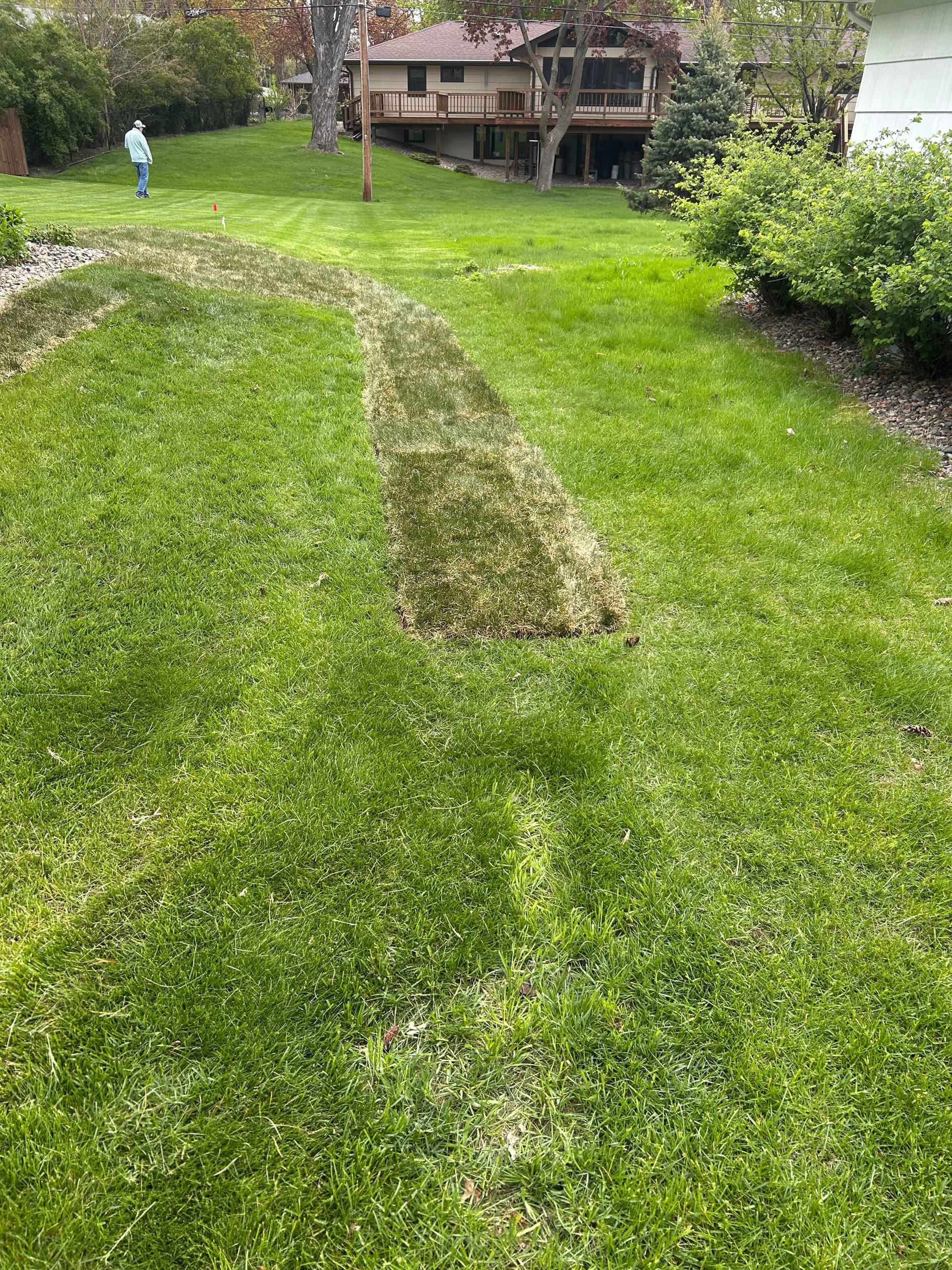
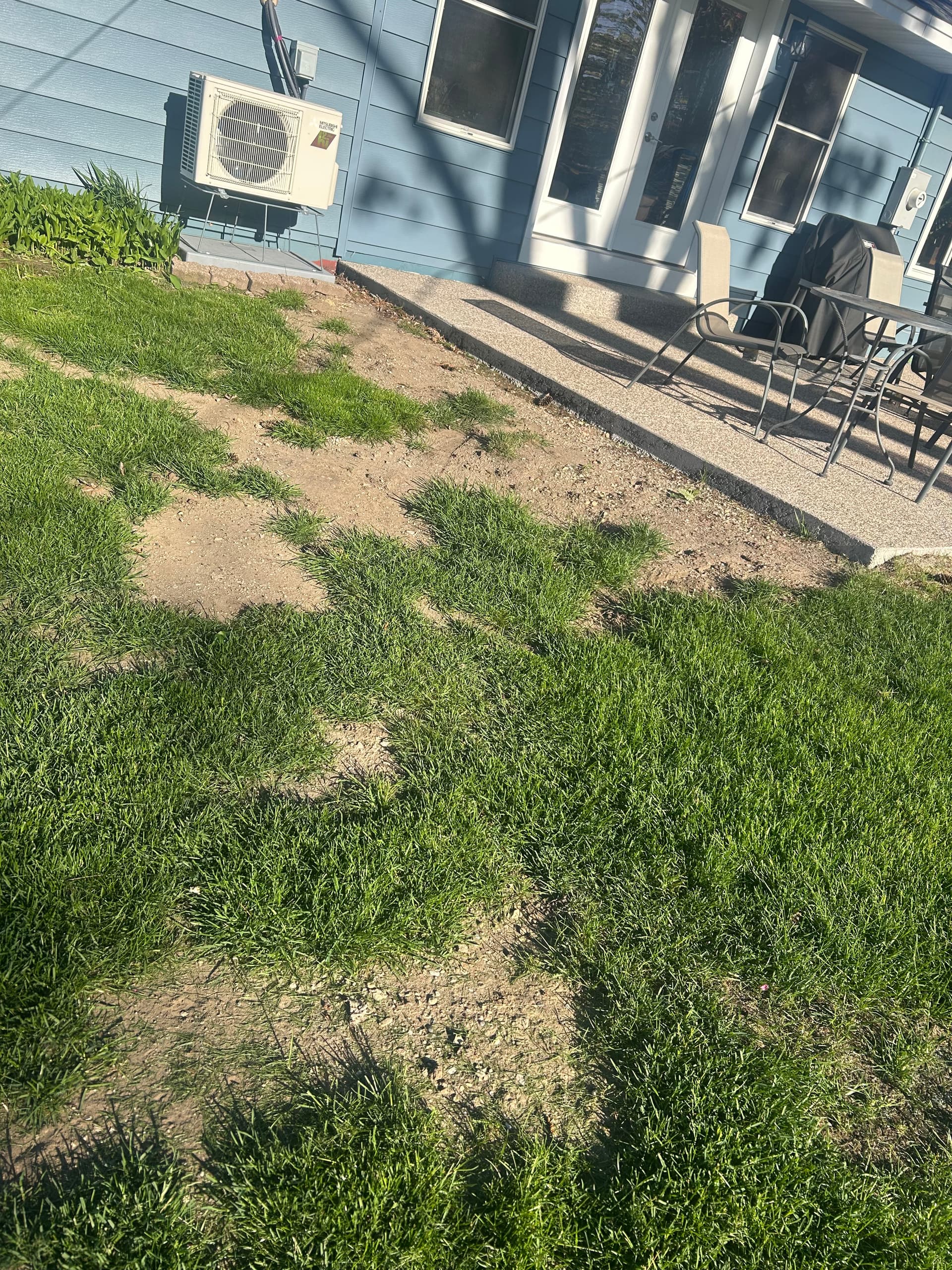
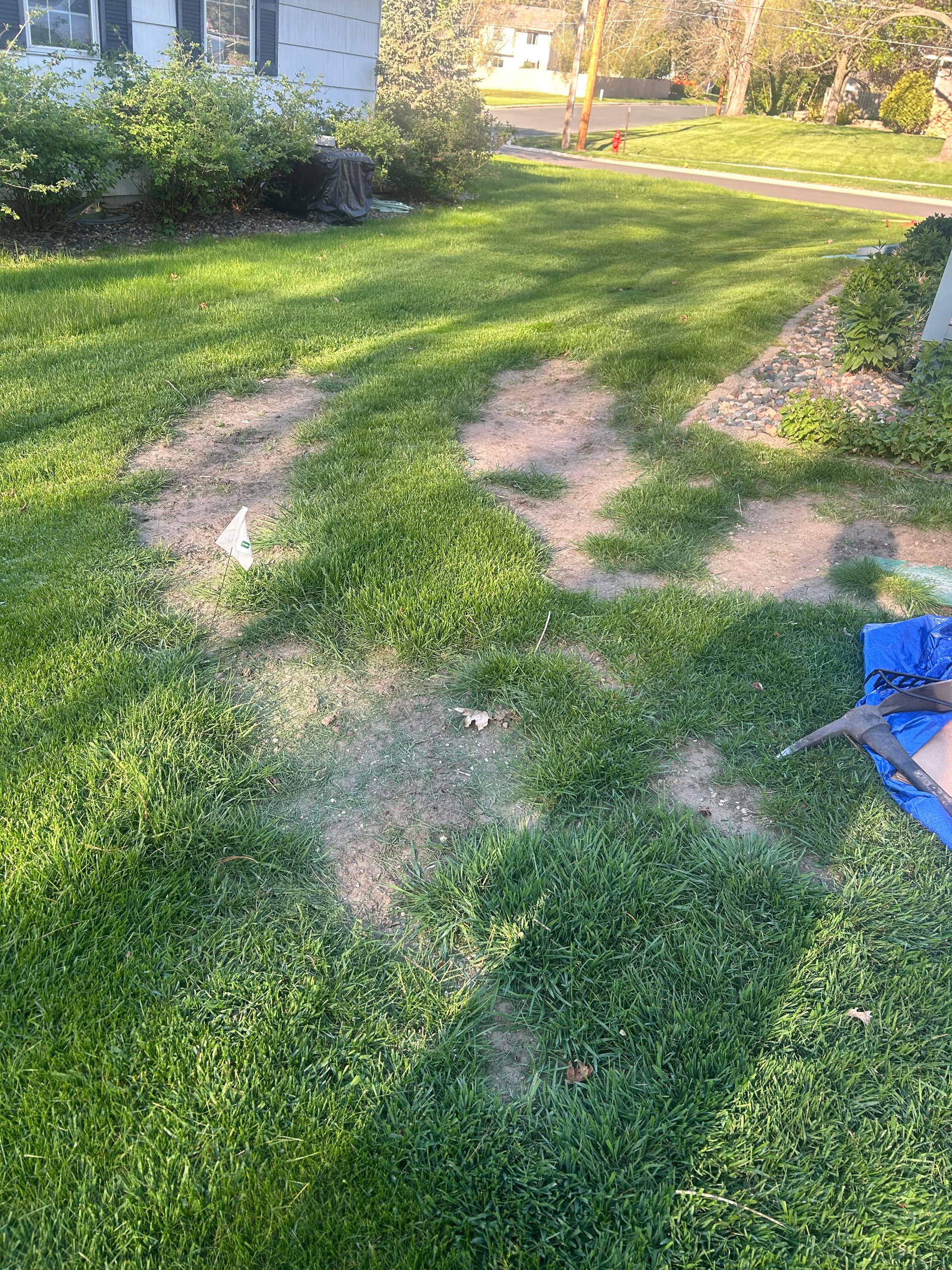
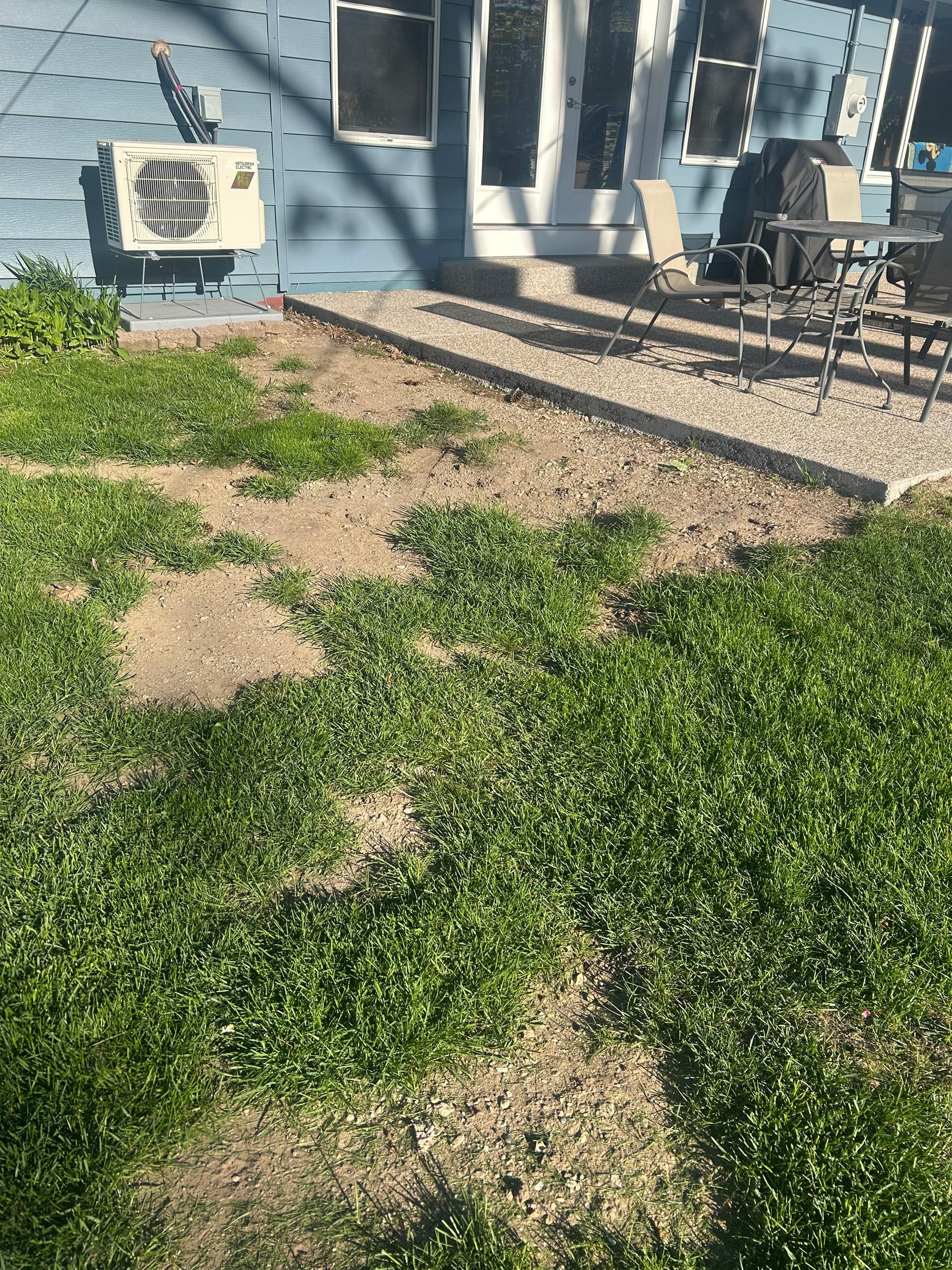
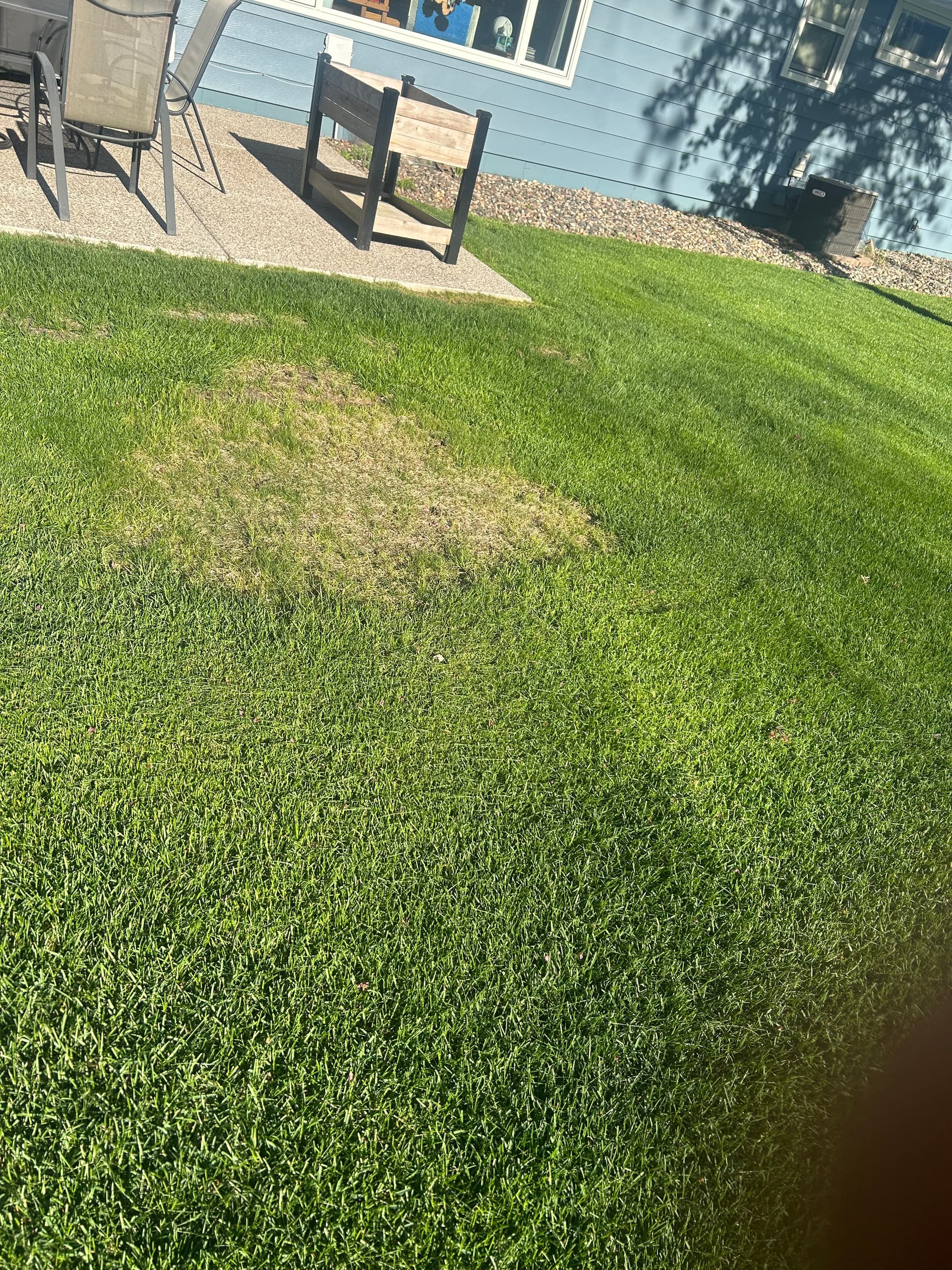
Dead, patchy grass is one of those things that just sits there and bothers you every time you walk out the door. You try watering it more, throw some seed at it, maybe wait another season - and nothing changes. At some point, the old grass has to go. That's exactly where we started on this one.
The lawn had multiple problem areas - bare dirt showing through thin, dried-out grass in both the front and back. Some spots were just dead. Others were so far gone they weren't worth trying to save. Rather than patch over the surface and hope for the best, we stripped out the old material completely, cleared the debris, and brought in topsoil to get the base leveled and ready. That prep work is what actually makes sod last.
Once the ground was prepped right, we laid premium sod across all the damaged sections. The difference between sod done well and sod done cheap comes down to what happens before the first roll ever hits the ground. Tight seams, good soil contact, and proper grading keep the new grass from drying out at the edges or settling unevenly. We also added new rhododendrons and ornamental grasses to finish out the beds and give the whole yard a cleaner, sharper look.
A lot of homeowners are surprised by how fast a yard can turn around when the right steps are taken. Sod replacement isn't just about looks - it fixes drainage issues, fills in erosion-prone areas, and gives you a lawn that's actually healthy from the roots up. Seeding over dead spots rarely works long-term. A full sod installation resets everything.
If your yard has bare patches, thin grass, or areas that just refuse to grow no matter what you try, it's probably time to stop fighting it and start fresh. Proper prep plus quality sod is the combination that actually holds.